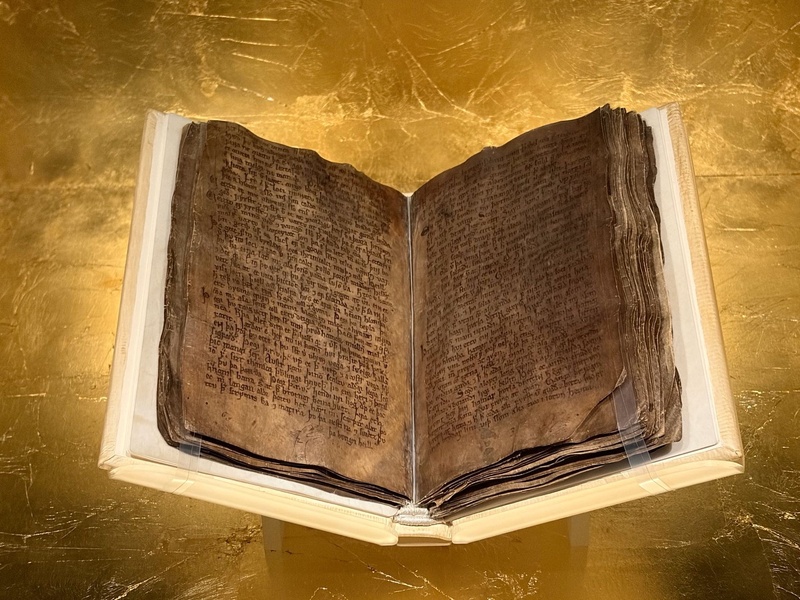
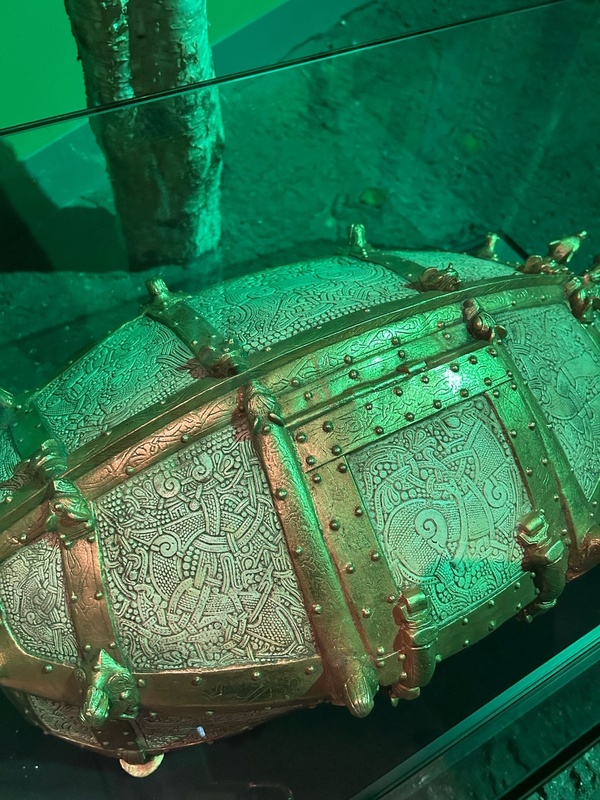
Codex Regius of the Poetic Edda as displayed in 2026 at the Edda Building in Reykjavik, Iceland.
This is one of the most famous Icelandic manuscripts, and the source of most poems in the Eddic tradition, as well as much of what we know about Norse myth and legend.
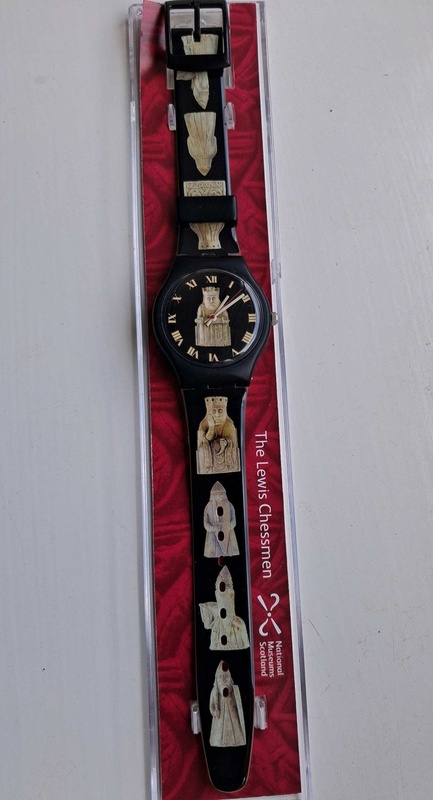
A wristwatch from the Lewis chessmen site in Uig Heritage Centre. The watch's band and face feature pictures of some of the Lewis Chessmen pieces. The original pieces were most likely made in Trondheim, Norway in the 12th century, and found in 1831 on the Isle of Lewis in the Outer Hebrides of Scotland.
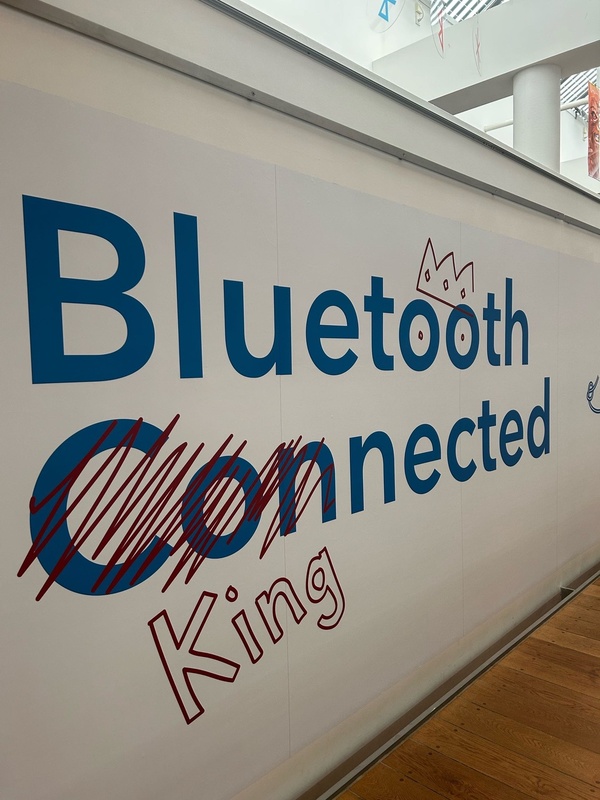
Banner for a Bluetooth exhibition in Jelling, Denmark, referencing King Harald "Bluetooth" Gormsson. "Bluetooth kingnected" celebrated the 25th anniversary of the creation of the bluetooth technology.
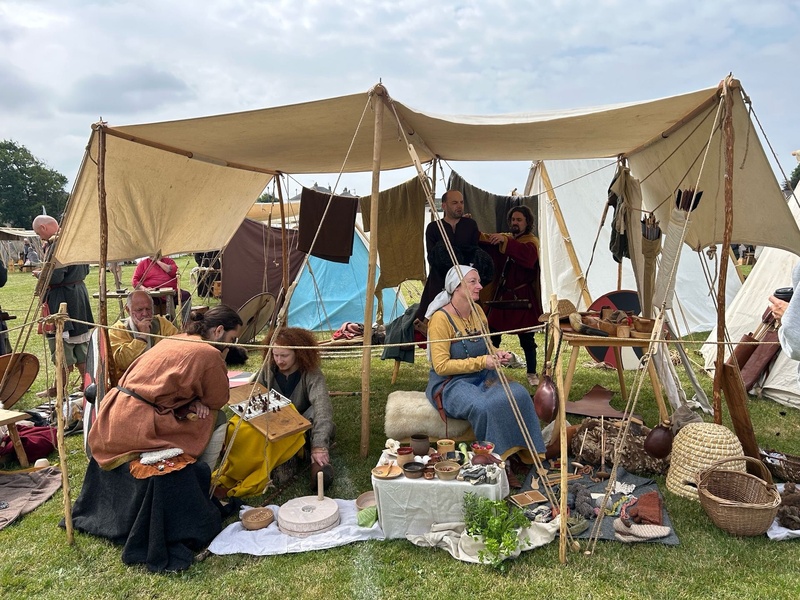
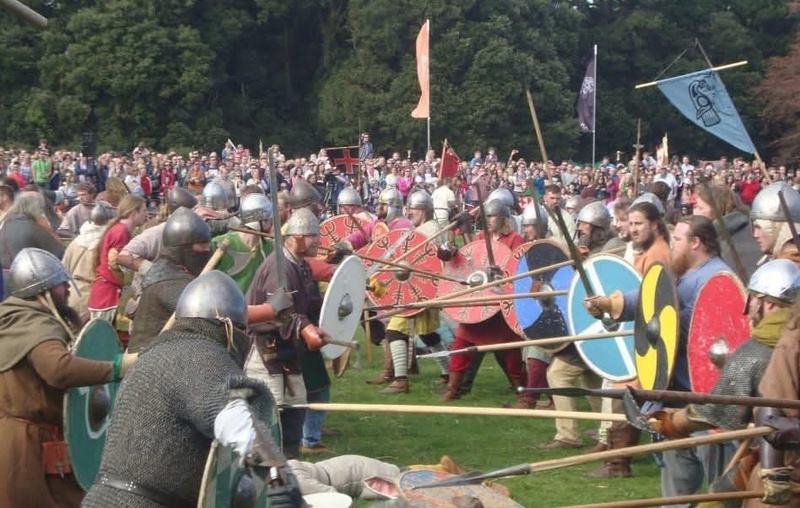
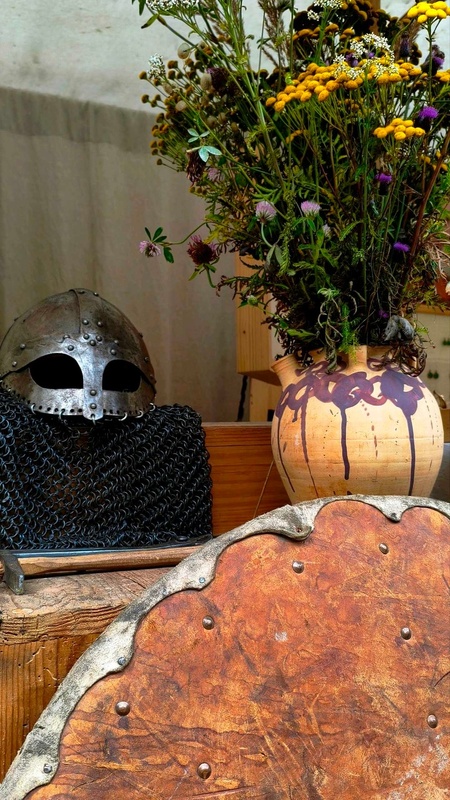
Heysham Viking Market July 2026. Pictured is a group of re-enactors with several objects, including hnefatafl, food items, yarn equipment, baskets, arrows, shields and clothing.
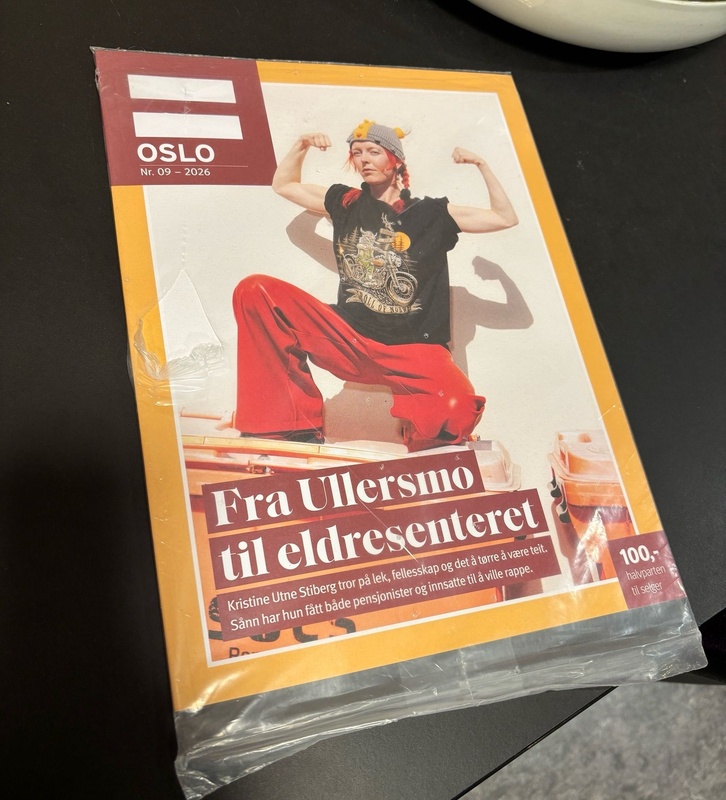
Cover of =Oslo magazine (September 2026) featuring musical artist Kristine Utne Stiberg dressed in horned helmet and t-shirt with Viking on motorbike . Title reads "Fra Ullersmo til eldresenteret" (From Ullersmo prison to the elderly center).
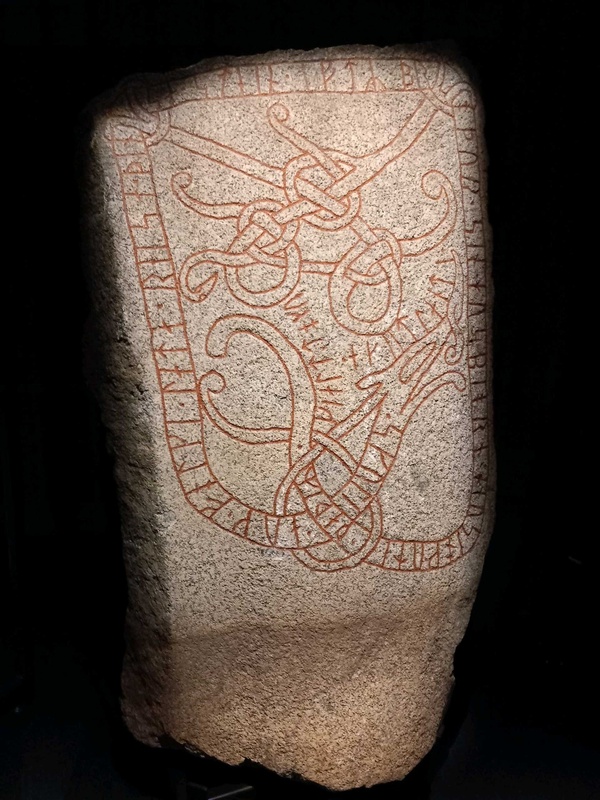
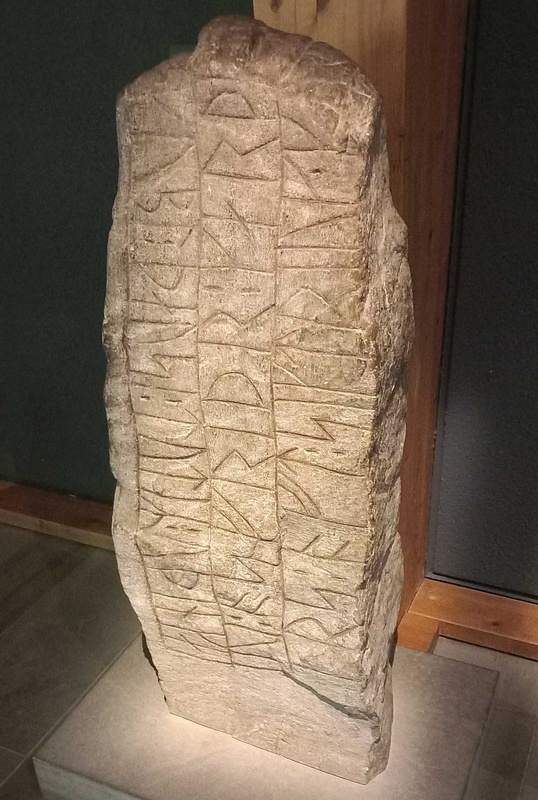
Runestone from the collection of the Historiska Museet, Stockholm, Sweden.
Torsätra
Västra Ryds socken
Also known as:
L 325
B 271
Rune reading
· skuli · auk · folki · lata · reisa · þinsa · stein · iftʀ · broþur · sin · husbiorn · hn us| |siok · uti · þa þiʀ · kialt · toku · a kutlanti ·
Old West Norse
Skúli ok Folki láta reisa þenna stein eptir bróður sinn Húsbjǫrn/Ásbjǫrn. Hann var sjúkr úti, þá þeir gjald tóku á Gotlandi.
Runic Swedish
Skuli ok Folki lata ræisa þennsa stæin æftiʀ broður sinn Husbiorn/Asbiorn. Hann vas siukʀ uti, þa þæiʀ giald toku a Gutlandi.
English
Skúli and Folki have raised this stone in memory of their brother Húsbjǫrn/Ásbjǫrn. He was sick abroad when they took payment on Gotland.
Runic inscription U 614 in the latest (2020) edition of the Scandinavian Runic-text Database, Department of Scandinavian Languages, Uppsala University. http://kulturarvsdata.se/uu/srdb/7584fb41-3944-4f94-bf6a-46a6d420ccfe
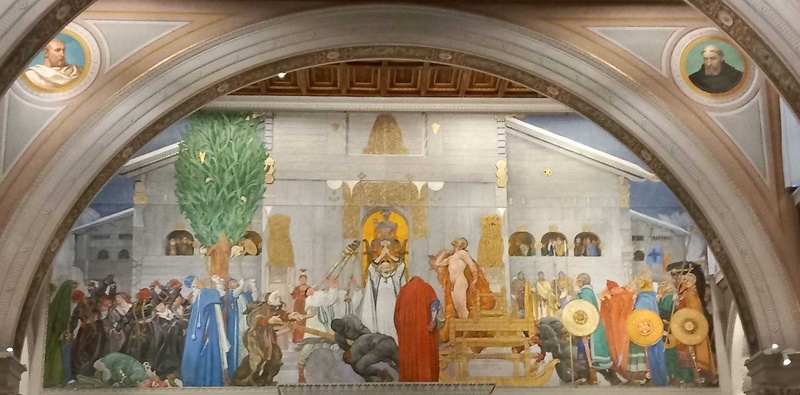
Midvinterblot (Swedish for "Midwinter sacrifice") is a painting by the Swedish painter Carl Larsson, created in 1915 for the hall of the central staircase in Nationalmuseum in Stockholm.
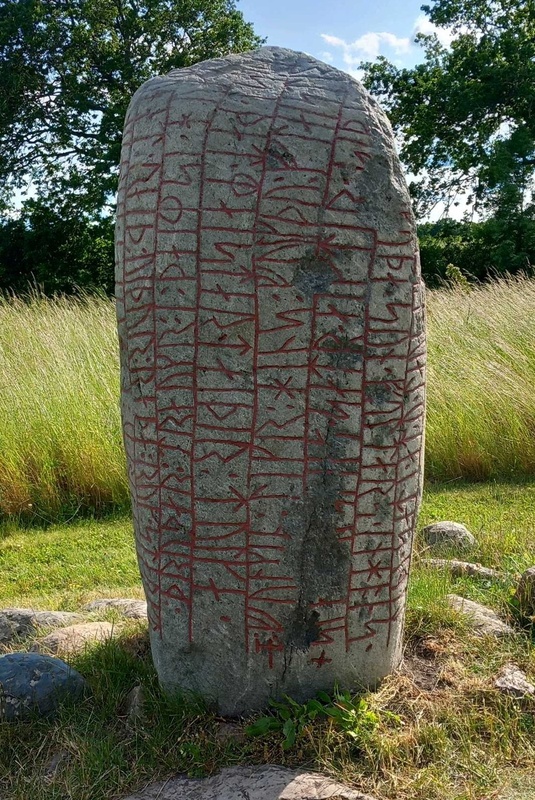
The Karlevi Runestone, designated as Öl 1 by Rundata, is commonly dated to the late 10th century and located in Karlevi on the island of Öland, Sweden.
English translation of text:
§A This stone is set up in memory of Sibbi Góði/Goði, son of Foldarr, and his retinue set on … Hidden lies the one whom followed (most know that) the greatest deeds, Þrud's warrior of battles, in this mound. Never will a more honest, hard-fighting 'wagon-Viðurr' upon Endill's expanses rule the land in Denmark. [This stone is placed in memory of Sibbi the good, Fuldarr's son, and his retinue placed on … He lies concealed, he who was followed by the greatest deeds (most men knew that), a chieftain (battle-tree of [the Goddess] Þrúðr) in this howe; Never again shall such a battle-hardened sea-warrior (Viðurr-of-the-Carriage of [the Sea-king] Endill's mighty dominion ( = God of the vessels of the the sea) ), rule unsurpassed over land in Denmark.] §B {In the name of Jesus(?) …}
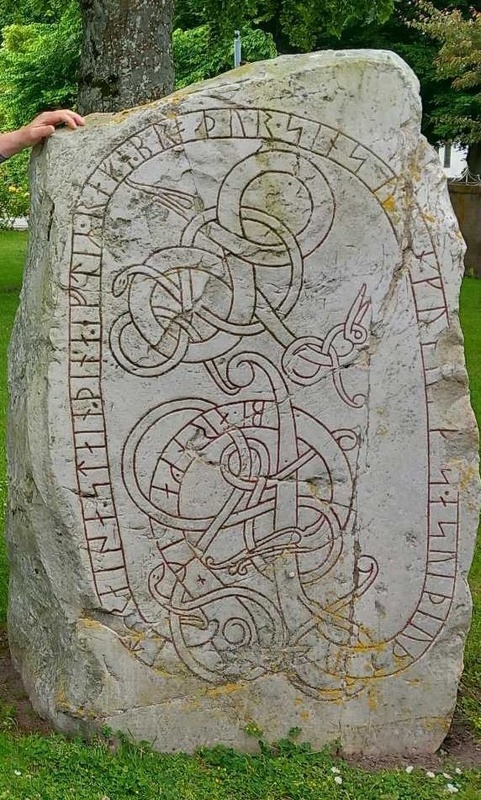
Simrisstenen- Runestone (DR 344 ( at the Simrishamn church, Sweden.
Runic text
· biarngaiʀ × lit (·) raisa · stain · þina · eftiʀ · rafn · broþur · sin · su(i)n · kun(u)--s · a suiþiuþu
English translation
Bjǫrngeirr had this stone raised in memory of Hrafn, his brother, Gunnulfr's lad in Sweden.
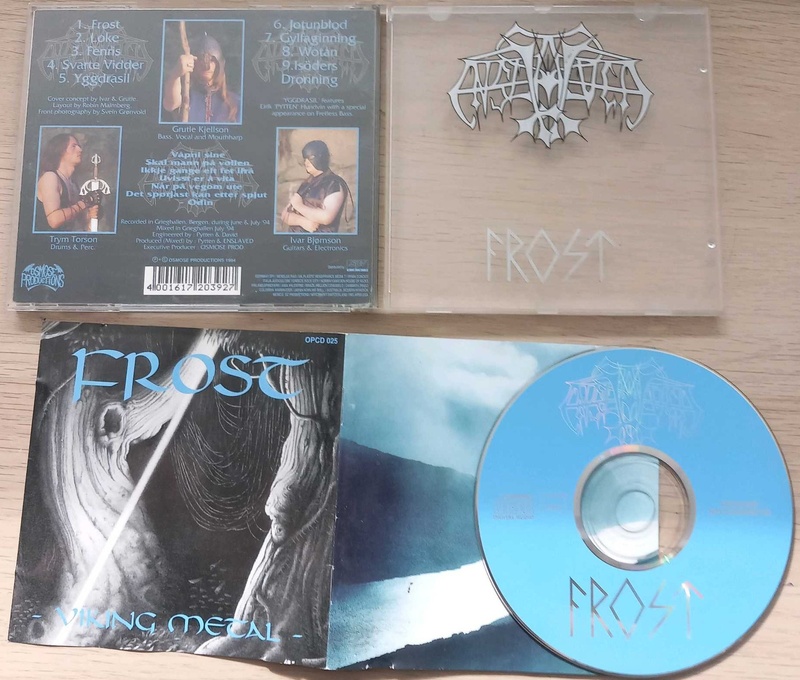
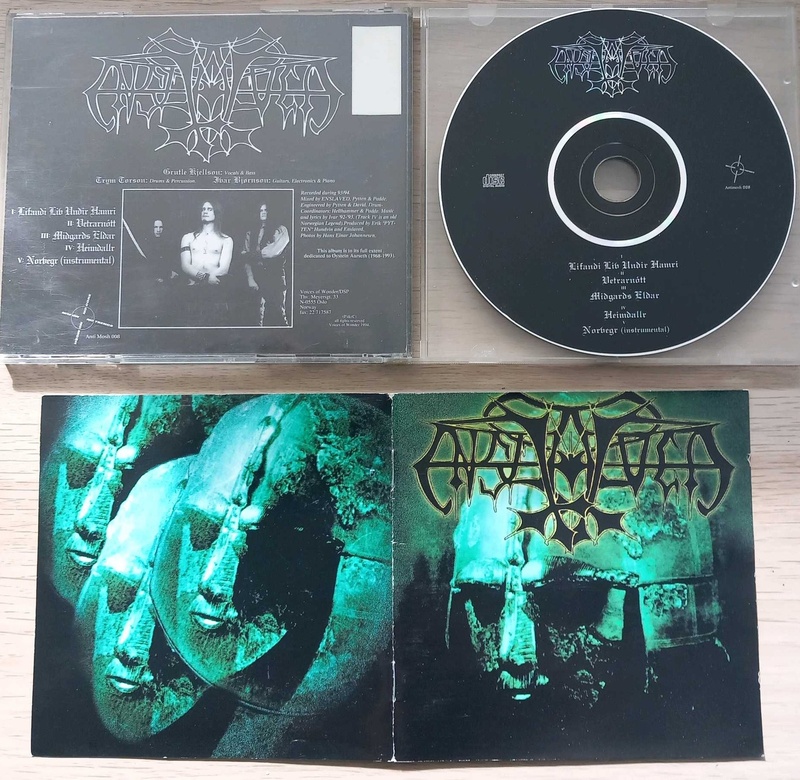
Album Frost by the band Enslaved. Released in 1994 (https://enslaved.no/). The songs on this album were named after several gods and norse mythological creatures such as Loke and Fenris,
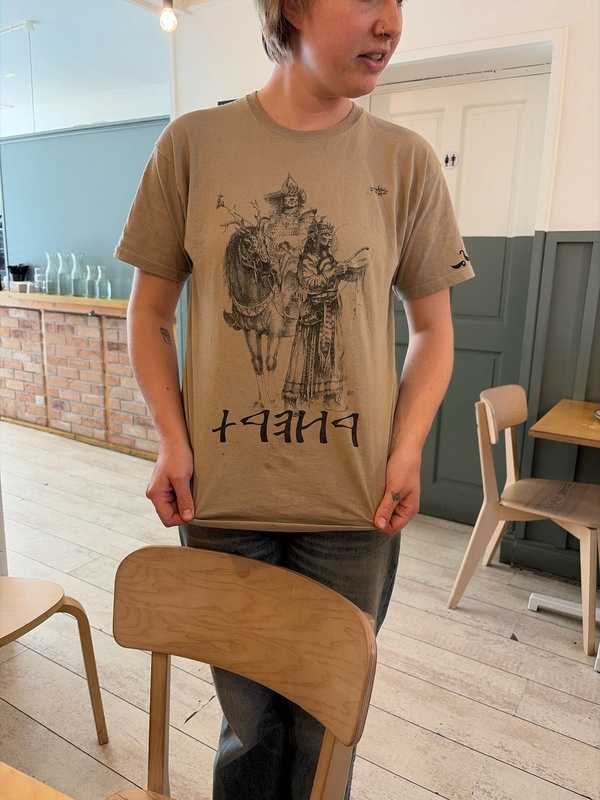
T-shirt with rune-looking material. The script, while appearing to be Norse runes, is actually Old Hungarian script (known in Hungarian as székely-magyar rovásírás). Old Hunarian script is an ancient runic alphabet used to write the Hungarian language, primarily used during the early middle ages.
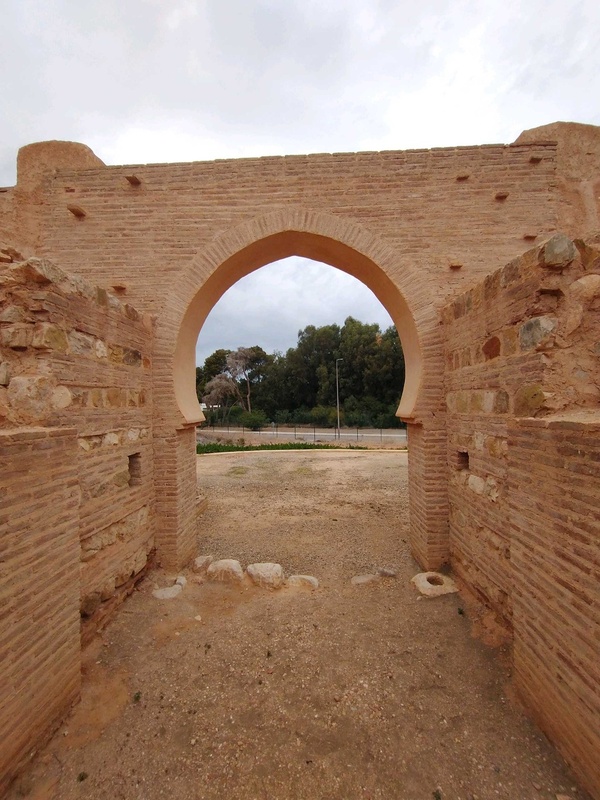
Al Mazamma Archaeological Site is located near the coast outside Al Hoceima, Morocco. This recently excavated Kasbah from the Emirate of Nekor was built in the 9th century in which this region saw raids from Björn Ironside and Hastein in the years 858 or 859.
Sources are unclear about where Björn and Hastein might have specifically been during their 8 days of raiding in Nekor, but the principal ruins of the Emirates' Capital are farther inland and now, quite unfortunately, submerged beneath the Abdelkarim Al Khattabi Reservoir.
Ongoing excavations at Mazamma may yet yield material evidence of these far flung interactions, however!
Small Sigtrygg Runestone DR 4at the Viking Museum Haithabu. The unes read "§A Ásfríðr, Óðinkárr's daughter, made these monuments in memory of King Sigtryggr, §B her son and Gnúpa's. §C Gormr carved the runes."
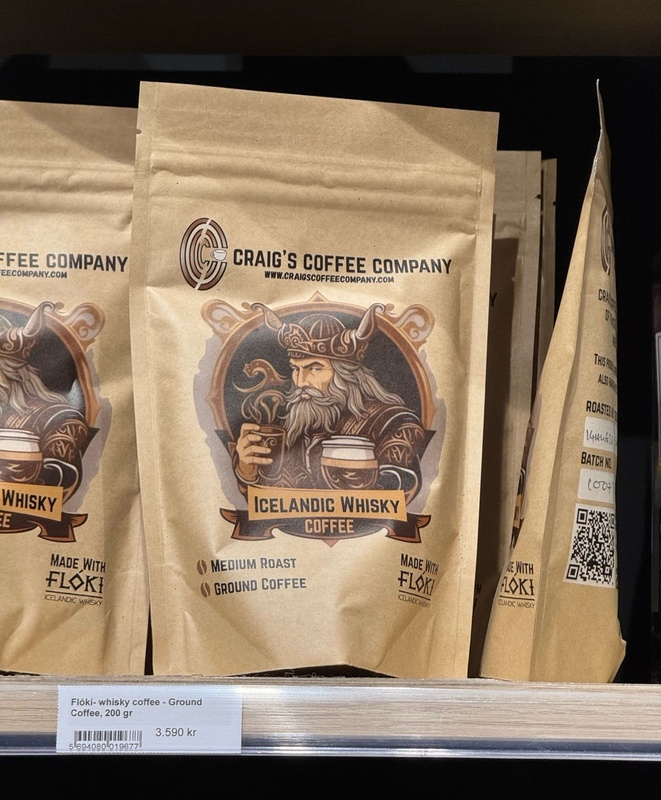
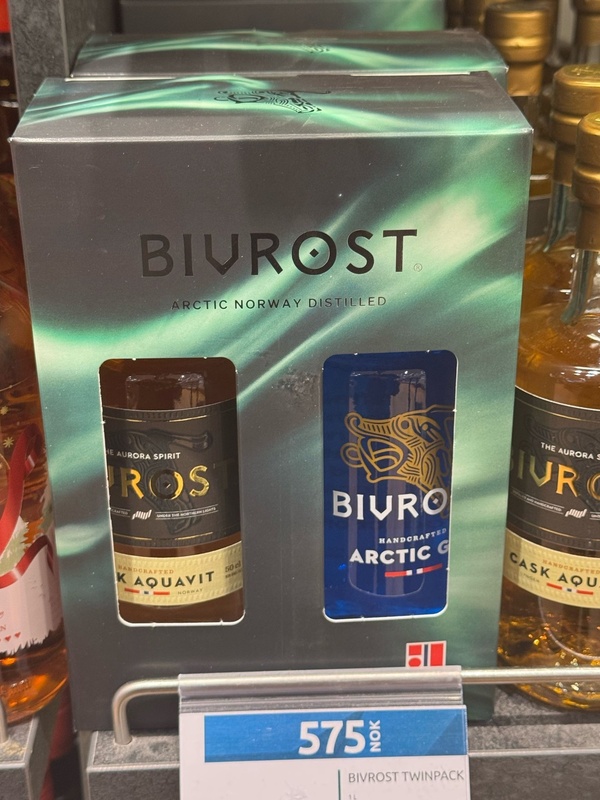
Bundle of alcoholic beverages by the Norwegian company Bivrost - whose name is inspired by the Norse bifröst. in the bundle are a bottle of Cask Aquavit and one of Arctic Gin. Both feature the company's logo which is inspired by Norse motifs.
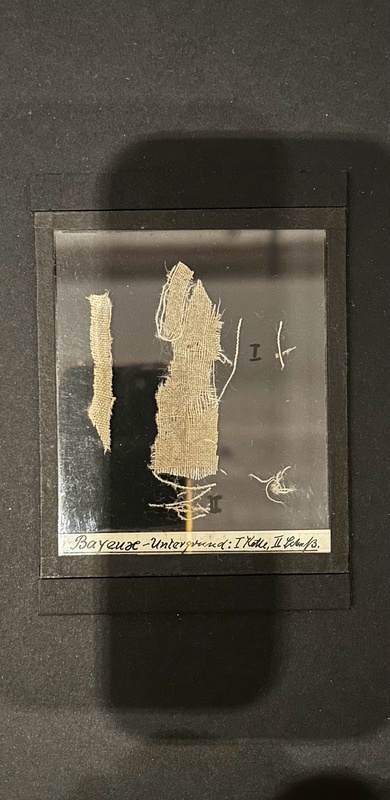
Newly discovered piece of the Bayeux Tapestry backside (2023). Whilst at times it is associated with the Viking Age, it is believed to have been created by the Anglo-Saxans.
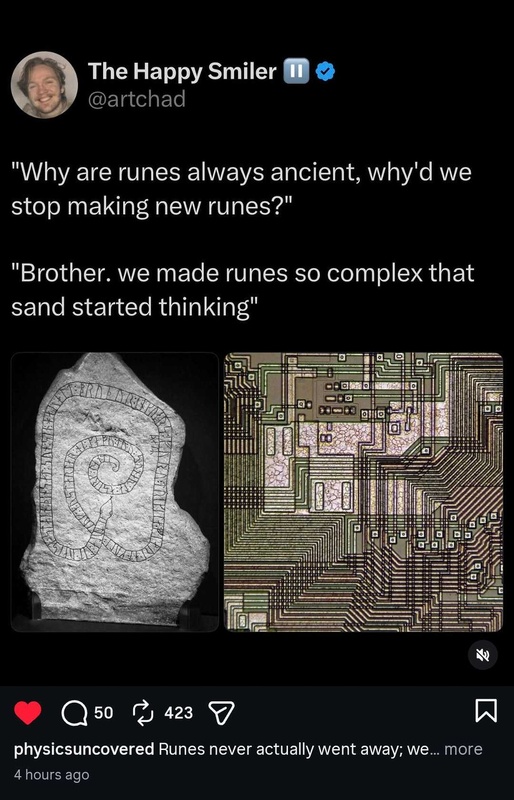
Screenshot of a meme equating microchips to Norse runes. The text in the meme says "Why are runes always ancient, why'd we stop make new runes? Brother, we made runes so complex that sand started thinking".
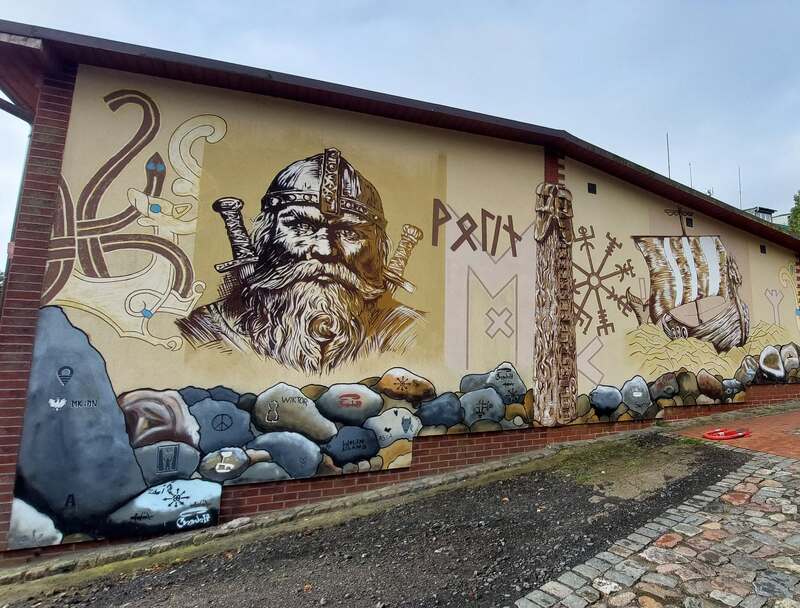
Mural depicting the Viking and Slavic history of Wolin during graffiti workshops, unveiled as part of the "Wolin. Przystanek Sztuki Współczesnej” project. Funded by the Wolin Municipal Center for Culture, Sports, Tourism, and Recreation.
Valhalla Conversations is an independent podcast set up by Becky Hill who has a life long passion for anything Norse. She chats with academics and creatives about a wide range of representations of viking history and Norse mythology in the 21st century.
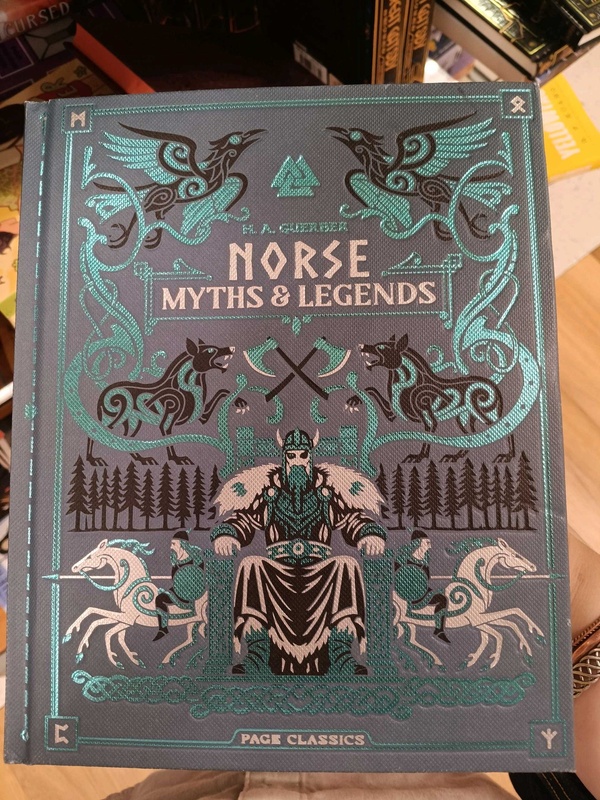
Compilation of Norse Myths found at TJMaxx based on H.A. Guerber's "Myths of the Norsemen from the Eddas and Sagas" from 1909. The book's cover features several Norse inspired motifs, including Odin in a horned helmet, and Sleipnir.
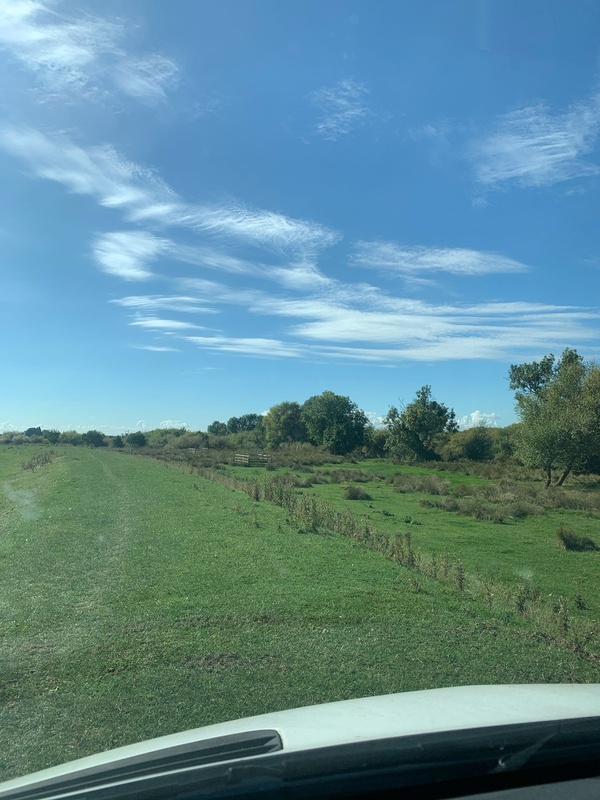
The banks of the river Ouse at Riccall (site of the base camp of Harald Hardrada in 1066…) one of if not the last place an invading Norse army landed and camped !
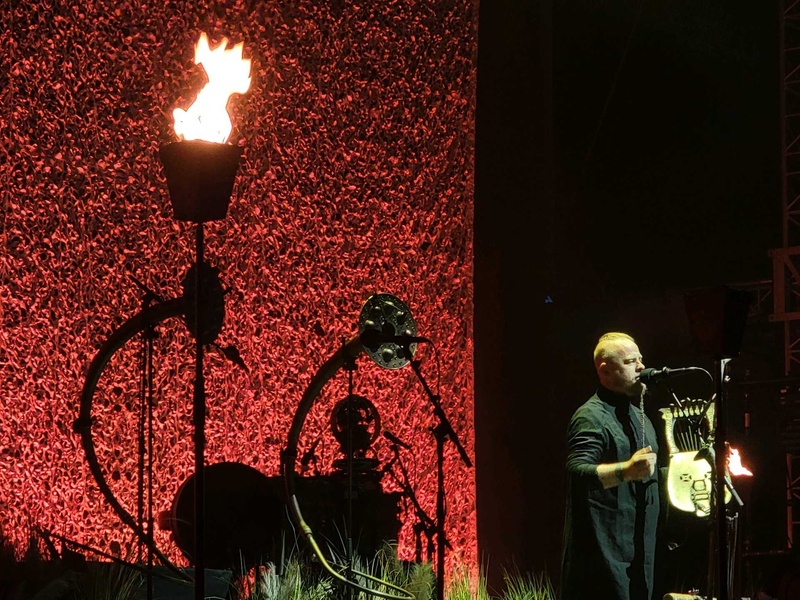
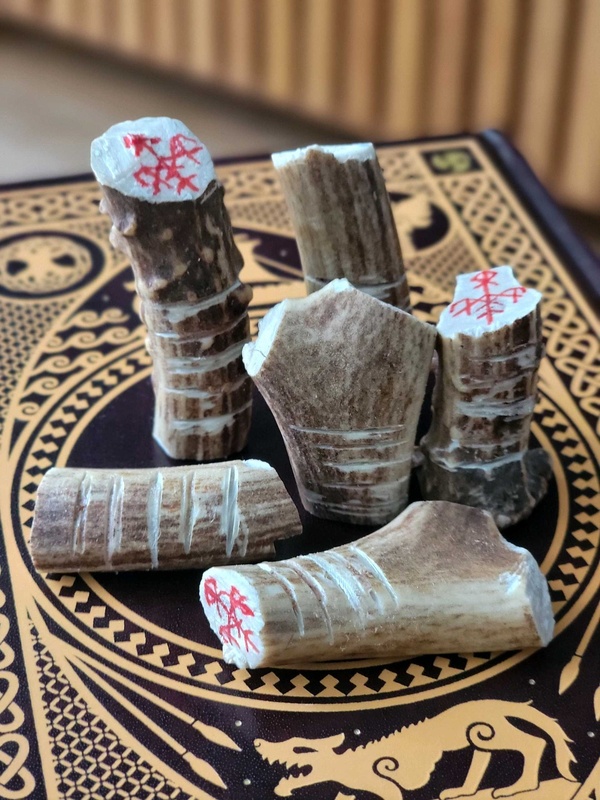
Contributor information: Viking age-inspired Deer Antler Talismans made in appreciation for members of Wardruna. Five hashmarks denote 5 times I saw them, each hash is inlaid with nature from each location.
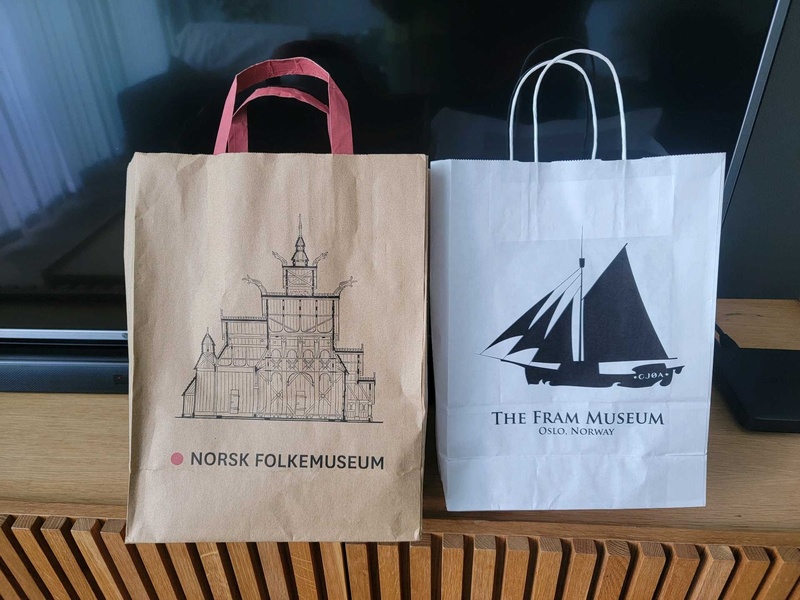
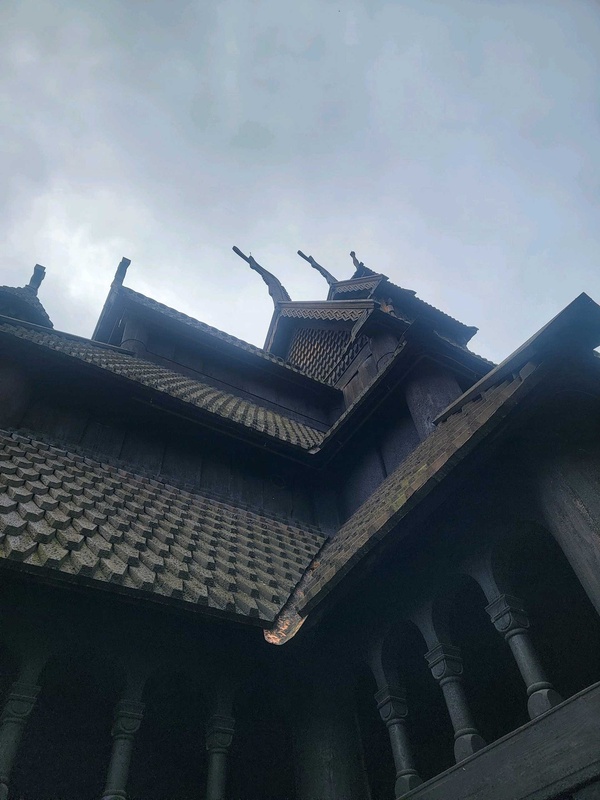
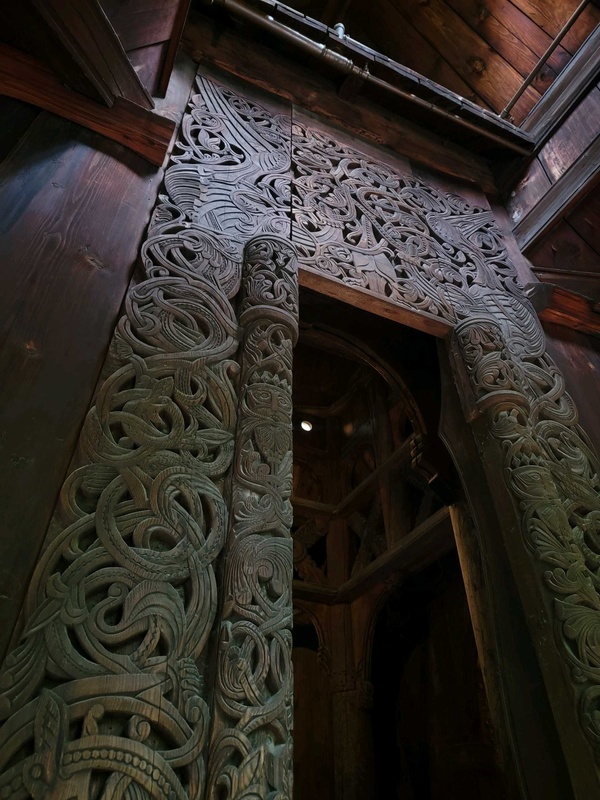
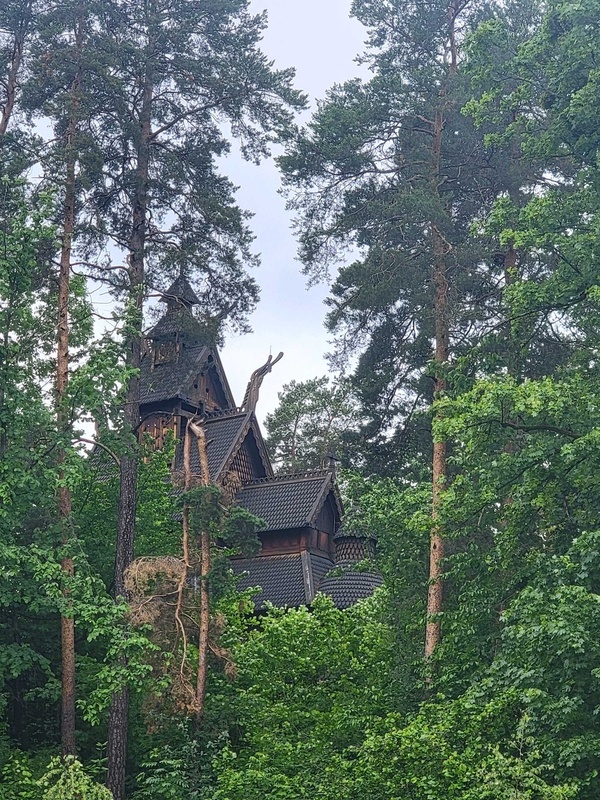
Gol Stave Church, Oslo. Eleventh-century stave church, originally located in Gol; dismantled and moved to the Norwegian Museum of Cultural History in Oslo. Exterior is largely nineteenth-century reconstruction, but interior preserves original.
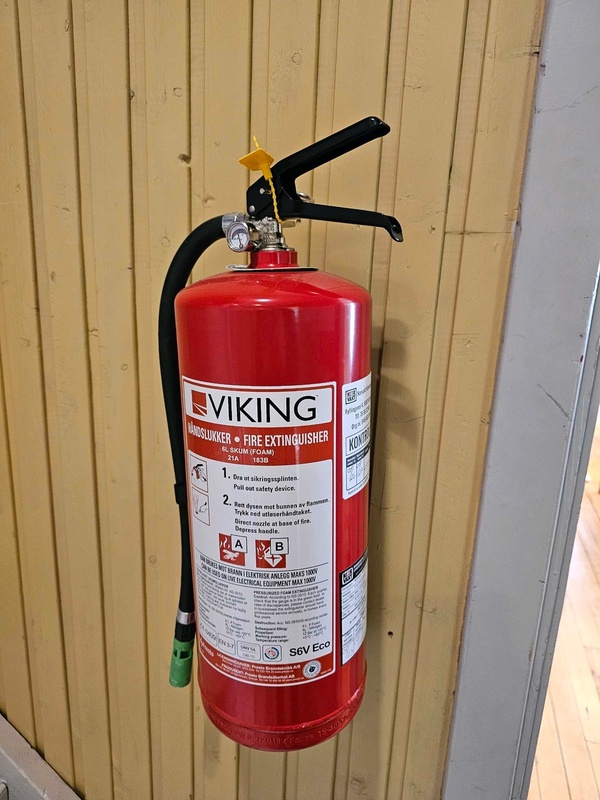
Viking-branded fire extinguisher.
Produced by VIKING Life-Saving Equipment.
Contributor comments: Viking-branded fire extinguisher because vikings are so famous for putting out fires!
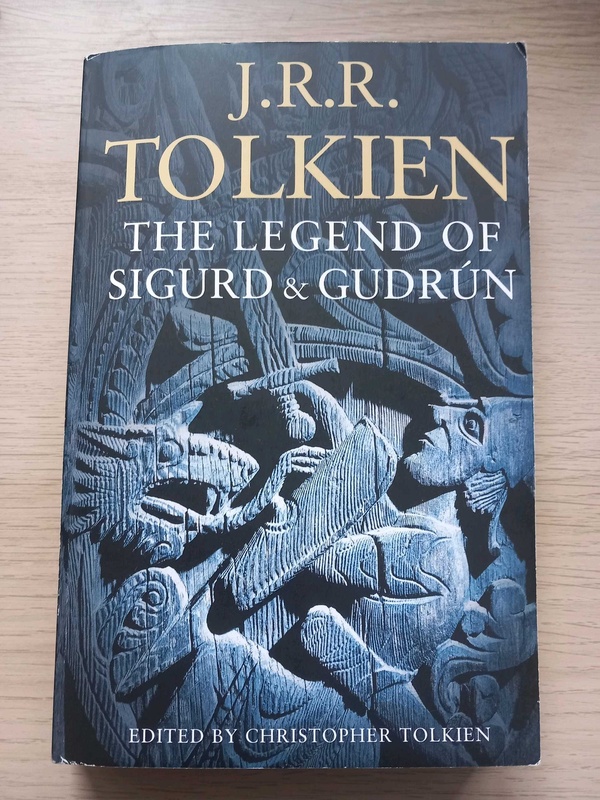
"The Legend of Sigurd and Gudrun" book by J.R.R. Tolkien, edited by Cristopher Tolkien. The cover features a close-up of an engraving from the Hylestad Stave Church portal, depicting Sigurd slaying the dragon Fafnir.
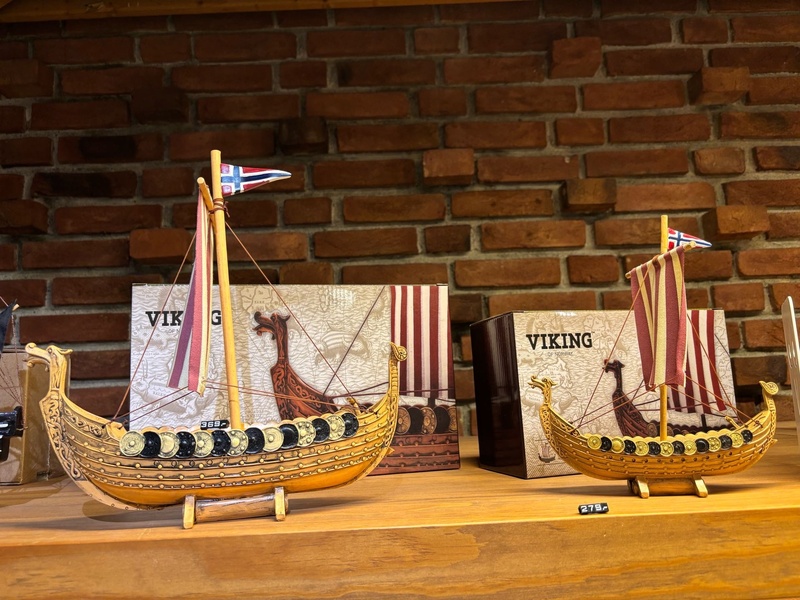
Reproduction of Viking ship in two sizes. The ship has a dragon head at its prow, oars, black and white shields hanging on the side, and a red and white striped sail. At the top of the mast flies the Norwegian flag.